
Drywall Repair Burlington
Top-Quality Drywall Repair Service Company in Burlington, ON
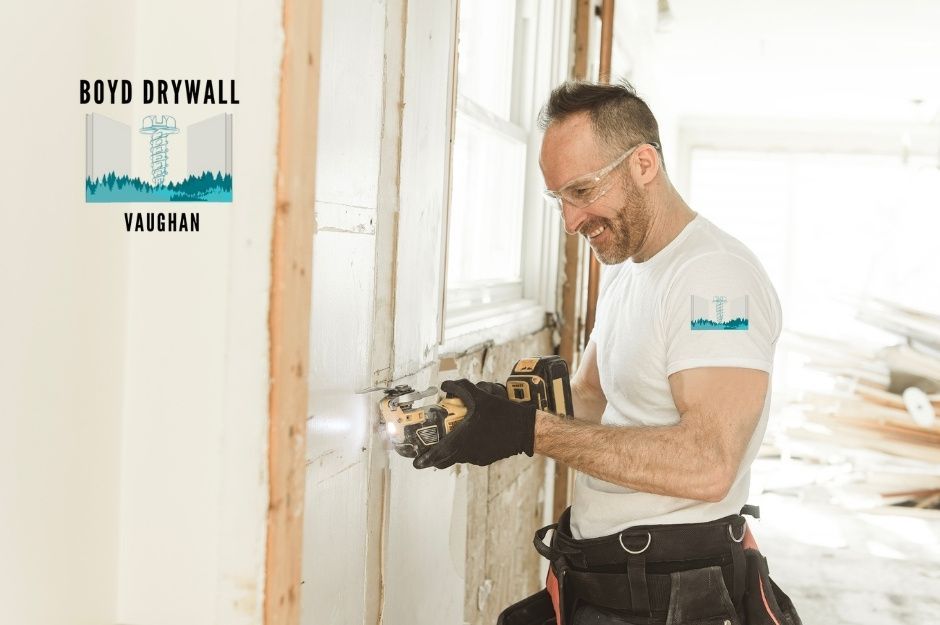
Drywall damage in your Burlington home doesn't have to be a permanent eyesore or structural concern. Burlington, a city in Halton Region at the west end of Lake Ontario with a land area of 187 km² (72 sq mi), experiences unique climate challenges that can affect home interiors. Whether you're dealing with ceiling cracks, water damage, holes from anchors, or outdated popcorn ceilings, professional repair services can restore your walls and ceilings to pristine condition.
Drywall Vaughan brings over 15 years of specialized experience to Burlington homeowners, offering comprehensive drywall repair, installation, and finishing services that address everything from minor patches to complete ceiling panel replacements. The company handles both emergency repairs and planned renovations with equal expertise. Serving Burlington's diverse residential areas—from the main urban area south of Highway 407 to properties near the Niagara Escarpment—we understand the unique challenges posed by the region's humid continental climate (Köppen Dfa) with its warm summers and cold, snowy winters.
You'll discover how professional drywall services can transform damaged surfaces through specialized water damage restoration, soundproof installation techniques, and expert finishing work that creates seamless, paint-ready surfaces. Understanding your repair options and the professional processes involved helps you make informed decisions about protecting your home's interior structure and appearance.

Boyd Drywall Vaughan (HP)
Professional Drywall Repair Services in Burlington
Drywall Vaughan addresses common ceiling issues including structural cracks, water damage restoration, and complete panel replacements with 15+ years of specialized experience. Our comprehensive repair approach handles everything from minor anchor holes to extensive leak damage across residential and commercial properties. As part of the Greater Toronto Area and the Golden Horseshoe urban region, Burlington's robust economy—largely driven by automotive and manufacturing sectors—creates diverse property types requiring specialized drywall solutions.
Ceiling Crack and Ceiling Drywall Repair
Ceiling cracks develop from natural settling, temperature fluctuations, or structural movement in your home. In Burlington, monthly mean temperatures range from -4.4°C (24.1°F) in January to 22.5°C (72.5°F) in July, creating significant thermal expansion and contraction that can contribute to ceiling stress. Minor hairline cracks typically indicate normal building movement, while wider cracks may suggest underlying structural issues that require immediate attention.
Our repair process begins with thorough crack assessment to determine the root cause. We clean out loose debris, apply mesh tape for reinforcement, and use multiple compound layers to create seamless repairs. For recurring cracks, we implement flexible joint compounds that accommodate future movement.
Water-damaged ceiling repairs require moisture source elimination before restoration begins. Burlington receives an average of 863 mm (34 inches) of annual precipitation and 99 cm (39 inches) of snow, making water intrusion a common concern for homeowners. We remove compromised drywall sections, treat affected areas for potential mold growth, and install new materials with proper vapor barriers. Your ceiling receives complete texture matching to blend repairs invisibly with existing surfaces.
Popcorn Ceiling Removal and Texture Matching
Popcorn ceiling removal involves careful preparation and specialized techniques to prevent dust contamination throughout your home. We test materials for asbestos content before beginning work, ensuring compliance with safety regulations for older installations. Many Burlington properties feature historic construction dating back to when the area was first settled following British land purchases from the Mississauga nation in the late 18th century, requiring careful assessment of ceiling materials.
The removal process includes:
- Plastic sheeting installation to contain debris
- Controlled scraping techniques that minimize airborne particles
- Surface preparation through sanding and priming
- Texture application matching surrounding ceiling patterns
Modern ceiling textures offer improved aesthetics and easier maintenance compared to dated popcorn finishes. We apply orange peel, knockdown, or smooth finishes based on your preferences and existing home style. Each texture receives proper drying time before primer and paint application.
Replacing Ceiling Panels and Sectional Restoration
Extensive damage from leaks or structural issues often requires complete panel replacement rather than patch repairs. We remove damaged sections while preserving surrounding areas, measuring precisely for new drywall installation.
Panel replacement involves cutting clean edges around damaged areas and installing matching thickness materials. New panels receive proper fastening every 6-8 inches along joists to prevent future sagging. We ensure adequate support for heavy fixtures like ceiling fans or lighting installations.
Sectional restoration addresses larger damaged areas through systematic replacement. Multiple panel installations require careful seam alignment and consistent joint spacing. Our finishing work includes complete mudding and taping across all new joints for uniform appearance.
Patching Holes and Fixing Anchor Damage
Small holes from picture hangers or furniture anchors require different repair approaches based on damage size and wall construction. Nail holes need simple spackle application, while larger anchor holes require mesh backing or drywall plugs for structural integrity.
Hole Size Repair Method Materials Used
Under 1/2 inch Spackle compound Joint compound, putty knife
1/2 to 2 inches Mesh patch Self-adhesive mesh, compound
Over 2 inches Cut-in patch Drywall piece, joint tape
Medium-sized holes receive self-adhesive mesh patches covered with multiple compound layers. We sand between coats for smooth transitions and apply primer before final painting. Larger holes require cut-in patches with backing support for permanent repairs.
Anchor damage repair involves removing loose anchors, cleaning hole edges, and selecting appropriate patching materials. Toggle bolt holes need backing material installation before compound application. Your repaired areas receive texture matching and paint blending for invisible repairs.
Comprehensive Water Damage and Leak Solutions
Water damage requires immediate assessment and professional repair to prevent structural deterioration and mold growth. As part of the Greater Toronto and Hamilton Area (GTHA), Burlington homes face moisture challenges from Lake Ontario's proximity and the region's humid continental climate, with the lake's moderating effect creating unique humidity conditions year-round. Proper identification techniques, preventive measures, and specialized patching methods ensure lasting repairs that protect your property investment.
Identifying and Repairing Water-Damaged Drywall
Water-damaged drywall exhibits distinct visual and structural signs that require professional assessment. You'll notice discoloration, soft spots, or bubbling paint on affected surfaces.
Common indicators include:
- Brown or yellow staining patterns
- Sagging or warped ceiling sections
- Peeling paint or wallpaper
- Musty odors suggesting moisture retention
Damaged sections must be cut out completely to prevent mold growth. The repair process involves removing wet insulation, treating surrounding areas with antimicrobial solutions, and ensuring complete drying before installation.
Professional drywall ceiling repair addresses both visible damage and hidden moisture pockets. Moisture meters detect saturation levels in adjacent areas that appear undamaged. This prevents future problems from developing in seemingly intact sections.
Preventing Future Ceiling Leaks
Proactive leak prevention protects your drywall investment and reduces repair costs. Burlington properties, particularly those near the Niagara Escarpment (which rises approximately 200 m above lake level) or along the sloping plain toward Lake Ontario, require vigilant moisture monitoring due to varying elevation and drainage patterns. Regular roof inspections identify potential problem areas before water penetrates your ceiling structure.
Key prevention strategies:
- Annual roof membrane inspections
- Proper attic ventilation maintenance
- Immediate plumbing leak repairs
- Regular caulking around fixtures
Proper flashing installation around penetrations prevents water intrusion at vulnerable points. You should address minor roof issues immediately rather than waiting for visible ceiling damage to appear. With Burlington experiencing an average of 135.8 precipitation days annually, proactive moisture management is essential for long-term property protection.
HVAC system maintenance prevents condensation buildup that causes gradual ceiling deterioration. Clean gutters and downspouts direct water away from your foundation and roof edges effectively.
Specialized Drywall Patch Repair for Water Intrusion
Water-damaged areas require specialized patching techniques beyond standard drywall repair methods. The affected substrate often needs replacement rather than simple patching.
Repair process includes:
- Complete moisture elimination using industrial dehumidifiers
- Antimicrobial treatment of all exposed surfaces
- Structural assessment of underlying framework
- Moisture barrier installation before new drywall placement
Patch repairs in water-damaged areas use moisture-resistant materials and primers. Standard joint compound won't adhere properly to previously wet surfaces without proper preparation.
Professional installation ensures proper overlap with existing drywall sections. Feathered edges and multiple coating applications create seamless repairs that match surrounding textures perfectly.
Quality repairs include vapor barriers where needed to prevent recurring moisture problems.
Expert Drywall Installation and Soundproofing
Drywall Vaughan brings 15+ years of experience to precise hanging techniques and specialized soundproof installations. Serving Burlington's diverse economic base—from residential properties to commercial spaces supporting the city's automotive and manufacturing sectors—our expert methods ensure your walls meet both structural requirements and acoustic performance standards. The city's location at the hub of the Golden Horseshoe and its proximity to major transportation corridors like the Queen Elizabeth Way (including the Burlington Bay James N. Allan Skyway) and Highway 407 creates unique sound transmission challenges for properties near these routes.
Quality Drywall Hanging Techniques
Your drywall installation requires precise measurement and proper fastening methods to prevent future cracking or sagging. We measure each panel to minimize waste and ensure tight joints between sheets.
Our installation process includes:
- Stud marking at 16-inch or 24-inch centers for secure attachment
- Proper screw placement every 12 inches along studs and edges
- Butt joint alignment to create seamless transitions
- Corner bead installation for protected edges
We use moisture-resistant drywall in bathrooms and basements to prevent water damage. This is particularly important for Burlington homes, where Lake Ontario's moderating effect creates humid conditions and the city's average of 113.9 rainy days annually can affect basement moisture levels. Standard drywall works for living areas and bedrooms where humidity stays low.
Each sheet gets positioned with minimal gaps. We cut precise openings for electrical outlets and switches before hanging.
Your walls receive proper backing at all joints. This prevents cracking when the house settles over time.
Soundproof Drywall Installation
Soundproof drywall installation requires specialized materials and techniques beyond standard hanging methods. We install acoustic drywall with higher density ratings to reduce noise transmission between rooms.
Sound-dampening methods include:
- Double-layer drywall application
- Resilient channel installation
- Acoustic caulking at all seams
- Mass-loaded vinyl barriers
Your soundproof installation uses 5/8-inch thick panels instead of standard 1/2-inch sheets. The extra mass blocks more sound frequencies.
We install resilient channels perpendicular to studs. This creates separation between your drywall and framing, reducing vibration transfer.
Green glue gets applied between drywall layers. This viscoelastic compound converts sound energy into small amounts of heat.
All electrical boxes receive acoustic putty pads. These prevent sound leaks through outlet and switch openings in your walls.
Finishing and Detailing: Mudding, Taping, and Seamless Results
Drywall Vaughan transforms rough drywall installations into smooth, paint-ready surfaces through precise mudding techniques and expert tape application. Burlington's geographic centre location within the Golden Horseshoe urban corridor means properties range from modern developments to heritage homes, each requiring specialized finishing approaches that respect architectural character while meeting contemporary standards. Professional finishing ensures your walls achieve a flawless appearance that enhances your property's overall quality.
Professional Mud Application for Smooth Surfaces
Drywall Vaughan applies joint compound in multiple thin coats to achieve professional-grade smoothness. The first coat embeds tape and fills joint gaps. A second coat widens coverage and reduces visible seams.
The final coat creates a feathered edge that blends seamlessly with existing wall surfaces. Each application requires proper drying time before sanding to eliminate imperfections.
Key mud application benefits:
- Eliminates visible seams between drywall panels
- Creates uniform texture across wall surfaces
- Prepares surfaces for optimal paint adhesion
- Reduces long-term cracking and settling issues
Professional mudding techniques prevent common problems like bubbling, cracking, and uneven texture. Your walls receive consistent coverage that maintains durability over time. The 15+ years of experience ensures precise application depths and smooth transitions.
Tape and Joint Repair for Lasting Durability
Paper tape and mesh tape serve different purposes in drywall repair applications. Paper tape works best for flat joints and provides superior strength. Mesh tape handles inside corners and drywall patch repair situations effectively.
Drywall Vaughan selects appropriate tape materials based on joint location and stress requirements. Proper embedding prevents future tape lifting and joint failure.
Repair applications include:
- Cracked ceiling joints
- Separated wall seams
- Corner bead replacement
- Patch integration
Joint repair extends beyond simple tape application. The process involves removing loose material, applying primer, and rebuilding joint strength. Your repaired joints match surrounding wall strength and appearance. Professional techniques ensure repairs remain invisible after painting completion.